

glitaraContact
Projects

The kinds of work we do, seen on the studio floor

A look at the settings, equipment and steps involved in our camera, lighting, audio and control room work, shown through the scenes our consultants work in.

On the studio floor

Scenes from the work behind a steady show

These scenes show the equipment and settings our consultants spend time in. Each one corresponds to a step in the planning, testing or review work we carry out for clients.

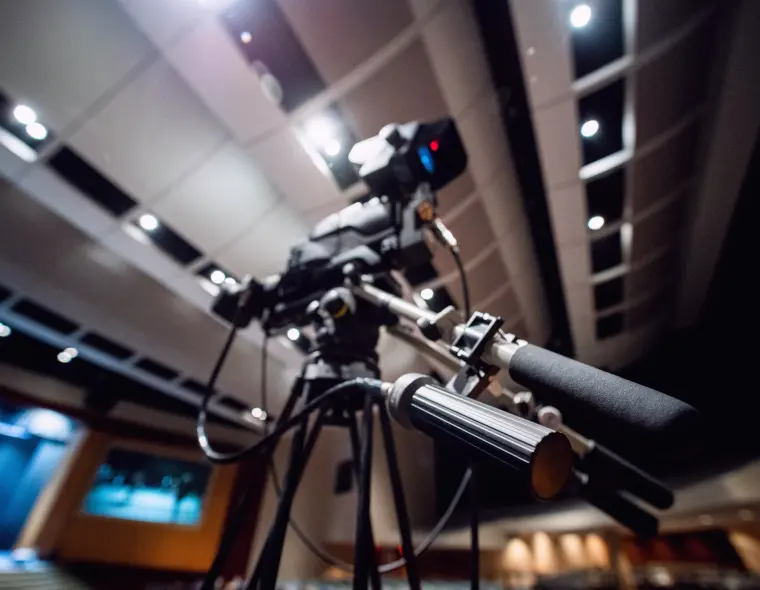
Camera positions marked out on the studio floor

Camera positions marked out on the studio floor

Before any equipment is ordered we mark proposed camera positions on the floor and check sightlines and cable runs. Moving a mark costs nothing, while moving a mounted camera does.

Lighting rig checked from the floor

Lighting rig checked from the floor

We check fixture positions against the lighting plot and look at how light falls on presenters from the camera's point of view. Small angle changes often fix harsh shadows.

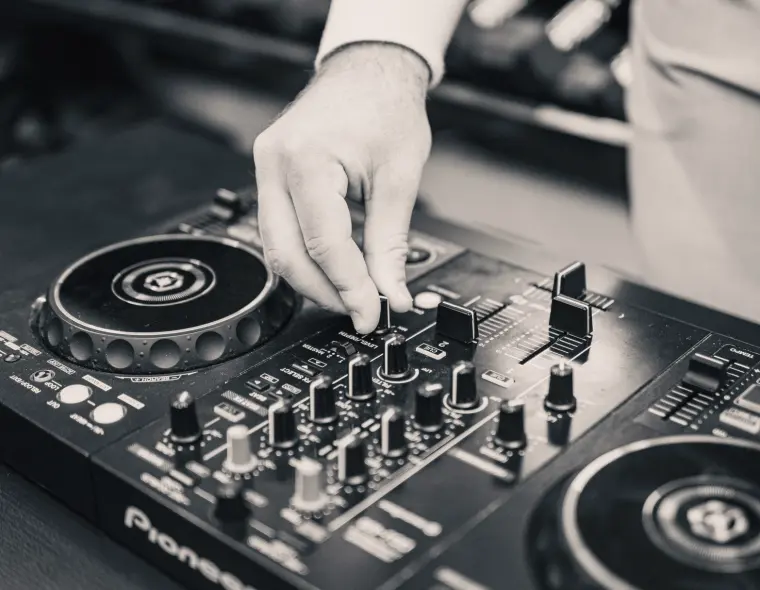
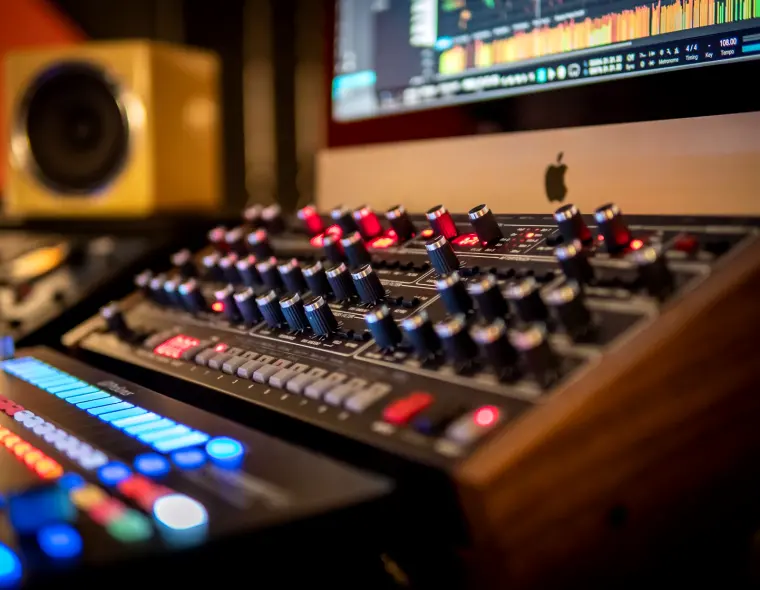
Mixing desk during a sound check

Mixing desk during a sound check

Sound checks reveal routing and level problems before a show. We follow the signal from microphone to output and note any delay that would show as lip-sync drift.

Vision mixing from the gallery

Vision mixing from the gallery

We watch how the vision mixer and director work together, noting what each person can see and how cues are called. Layout changes often come from this observation.

Monitoring wall during a live feed

Monitoring wall during a live feed

A clear monitoring wall lets the gallery spot a fault quickly. We review which sources are shown, how large they appear and whether the arrangement matches the way the team works.

Crew reviewing a run sheet before transmission

Crew reviewing a run sheet before transmission

Workflow reviews include time with the crew going through the running order. We listen for steps that rely on memory instead of written procedure, then suggest where to document them.

How we record work

What each piece of work leaves behind for your team

Consultancy only helps if the knowledge stays with the people who run the show. Each engagement ends with documents your crew can read, question and reuse, written in plain language without needing us nearby.

Drawings and schedules

Camera, lighting and audio work produces drawings and schedules that match the room. Camera plans show positions, lens choices and cable paths. Lighting plots list each fixture with its position and purpose. Audio documents trace the signal from source to output. We write them so a new engineer can pick them up cold. They are updated when you change the setup, if you ask us to, and stay yours to edit afterwards.

Written procedures

Control room work leaves written operator procedures for the team. These describe who calls what, how sources are taken, and what to do when something fails mid-show. Tom writes them with the operators, not for them, so they reflect how the gallery really runs. Teams use them to train newcomers and to settle disagreements about who does which task.

Review reports

A workflow review ends in a report ordered by priority. Each recommendation names the change, who it affects and what it needs in time or equipment. We explain the reasoning behind the order so you can reorder it to suit your budget. Many teams return to the report months later when planning their next change.

Our practice

A small studio with a long working history

glitara was founded in 2014 and is based at 14 Trafalgar Lane in Brighton. We are a team of four consultants covering camera systems, lighting, audio and control room operations. That spread means a single enquiry can be handled by people who each know their discipline well. We take on a limited amount of work at a time so every client gets proper attention.

Founded
2014
Service areas
5
Team profiles
4
Based in
Brighton
glitara
Get in touch14 Trafalgar Lane, Brighton BN1 4ED01273 244 063hello@glitara.net