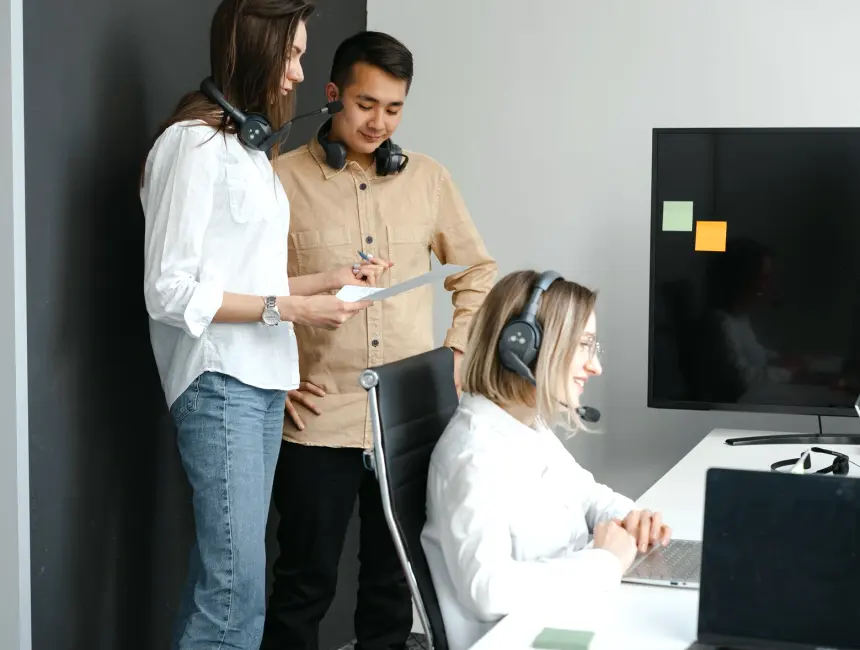
Broadcast and studio consultancy, from cameras to control room
Five areas of work for television and live media teams: camera systems, lighting, audio sync, gallery operations and workflow review, each explained so you can judge what fits your show.
Five areas of studio and live work
Each service can be commissioned on its own or alongside another. Most clients start with the area causing the most trouble on air and add others once that is settled.
Camera System Design
We plan multi-camera configurations for studios and live venues, including lens choices, camera positions and the signal paths that connect them. You receive drawings and a clear equipment list. The aim is a setup your operators can run without workarounds.
Stage Lighting Planning
We produce lighting plots and fixture schedules that flatter presenters and behave cleanly on camera. Daniel pays close attention to colour consistency between fixtures. The result is a plan your crew can rig, focus and reproduce from one show to the next.
Audio Sync and Mixing Workflows
We set out embedded audio routes, delay compensation and mixing arrangements that keep sound and picture aligned from source to output. Priya works through where lip-sync drifts and why. You get a documented signal chain your engineers can follow.
Control Room Operations
We design gallery layouts, signal routing and operator procedures for vision mixing teams. Tom looks at who sits where, what each person must see and how cues pass between them. Teams leave with written procedures they can train new operators on.
Live Production Workflow Review
We examine your current live and recorded workflow and write up what we find. The report lists practical recommendations in order of priority, so you know what to change first. It is a document your team can act on without us in the room.
How to choose between approaches
Start with the problem on air
If a particular fault keeps appearing, such as drifting sound or uneven skin tones, a single focused service is usually the sensible start. We trace the fault to its source before suggesting any wider change. That keeps the first piece of work small and useful.
- One named fault, one focused job
- Clear findings in writing
- No wider scope unless you ask
- Easy to add a second service later
Plan a new or rebuilt space together
For a new studio or a major refit, camera, lighting, audio and control room decisions affect one another. Planning them together avoids a lighting rig that blocks camera positions or a gallery that cannot see the set. We coordinate the pieces into one consistent plan.
- Camera, light and sound planned as one
- Shared drawings across disciplines
- Fewer clashes during installation
- One point of contact at glitara
Review before you change anything
When a workflow has grown over several years, a written review shows what to keep and what to retire. We watch a real production, speak with the crew and set out recommendations in priority order. Many teams use the report to decide what to spend on next.
- Observation of a real production
- Conversations with operators
- Prioritised written recommendations
- Usable as a budgeting document