glitaraContact
Broadcast and studio consultancy

Clear pictures, clean sound, steady shows

We advise television and live media teams on cameras, lighting, audio sync and control room workflow, so that a show runs the same way on the tenth night as on the first.

Services

What we help studios plan

  • Camera System Design

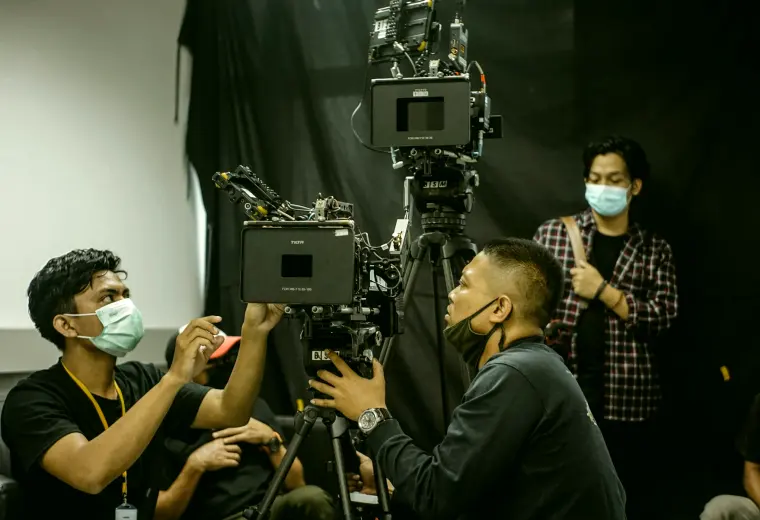
    We plan multi-camera configurations, lens choices and signal paths to suit your studio or live venue, so each shot has a clear purpose and the cabling behind it stays simple to run.

    Services →
  • Stage Lighting Planning

    Stage Lighting Planning

    Lighting plots and fixture schedules that flatter presenters and behave cleanly on camera, with colour kept consistent from the wide shot to the close-up.

    Services →
  • Audio Sync and Mixing Workflows

    Audio Sync and Mixing Workflows

    Embedded audio, delay compensation and mixing set-ups that keep sound and picture aligned from the microphone through to the final output, live or recorded.

    Services →
  • Control Room Operations

    Control Room Operations

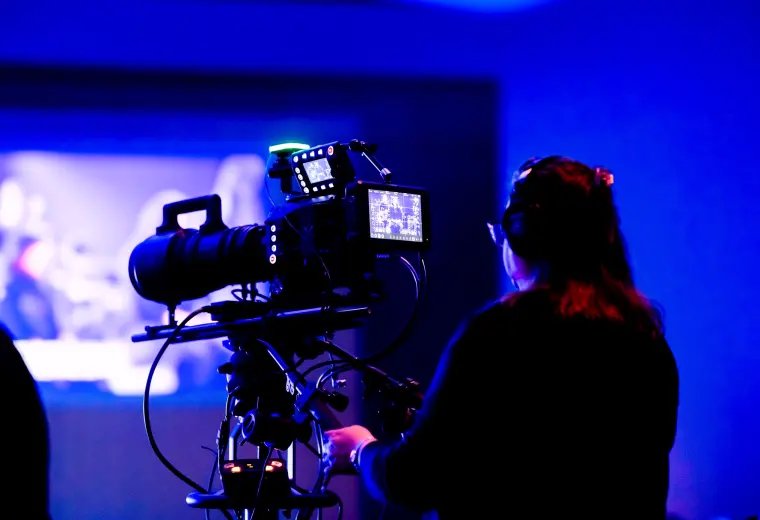
    Layout, signal routing and operator procedures for gallery and vision mixing teams, written so that a busy show can be handed between crews without confusion.

    Services →
  • Live Production Workflow Review

    Live Production Workflow Review

    A written review of your current live and recorded workflow, finishing with practical, prioritised recommendations your team can act on in its own order.

    Services →
How we work

From first conversation to a workable plan

Every project starts with understanding how your show is made today. We look at the room, the equipment and the people who run it before suggesting anything. The aim is a plan your crew can follow without us in the room.

  1. Enquiry and scoping

    You tell us about the studio or venue, the kind of programme and what is going wrong or being rebuilt. We ask follow-up questions and agree which of our services fits the job.

  2. Review of current set-up

    We study your plans, equipment lists and any existing signal diagrams, and where useful we watch a rehearsal or recording. This shows where picture, sound and operators actually meet trouble.

  3. Design and specification

    The relevant specialist drafts the camera layout, lighting plot, audio path or control room arrangement. We check each against your budget, space and the skills of your crew.

  4. Revision with your team

    We go through the drafts with producers and technical staff, adjust what does not suit daily practice, and settle the order in which changes should be made.

  5. Handover and written record

    You receive the final documents, and where the service includes it we brief the operators on procedures. Questions that come up afterwards can be sent through the contact page.

In more detail

Live Production Workflow Review

  1. Mapping the workflow

    We trace each signal and each handover, from source to transmission or recording. Many problems turn out to sit at a hand-off between people rather than in a piece of equipment.

  2. Observing a rehearsal or recording

    Where possible we sit in on a run-through. Watching the crew work shows habits and workarounds that no equipment list would reveal.

  3. Written findings

    You receive a plain document describing what works, what causes delay or risk, and why. It is written for producers as well as engineers.

  4. Prioritised recommendations

    Each recommendation is ranked by effect and effort, so you can decide what to change before the next series and what can wait for a quieter period.

These answers cover the practical points most teams raise before getting in touch. If yours is not here, the contact page is the quickest way to ask.

  1. What kinds of productions do you advise on?

    We work with television studios and live media productions, from presenter-led programmes to staged events with several cameras. The size varies, but the questions are similar: where cameras go, how the stage is lit, how sound stays with picture, and how the gallery runs. We will say honestly if a job falls outside our experience.

  2. Do you supply or sell equipment?

    No. We advise on design, workflow and procedures, and we do not sell hardware. That means our recommendations are not tied to what we stock. Your own supplier or rental house provides the equipment, and we can write the specification you give them so quotes can be compared fairly.

  3. Do you work on site or remotely?

    Both. Reviews and design work can be done from drawings, photographs and video calls, but a visit to the studio or venue is often worth making, particularly for lighting and control room layout. We discuss which suits the job when we scope it, and the quotation shows what is included.

  4. How do I start an enquiry?

    Use the form on the contact page and describe your studio or venue, the kind of programme and what you want help with. A short note is enough. We reply to ask anything we need to know, and then send a written quotation for you to read at your own pace.

  5. How is the work priced and paid for?

    Each service has its own price, set out on the Prices page together with what is included and what could change it. After a written quotation or confirmation we send an invoice, which is paid by bank transfer. Nothing is bought through this website.

  6. What do I receive at the end of a project?

    You receive written documents suited to the service: drawings, schedules, signal path diagrams, procedures or a review report. They are written so your own crew can use them without us. Where the service includes a briefing for operators, the quotation says so.

  7. Can you help with a show that is already running?

    Yes. Many reviews start with a programme already on air that has recurring problems with sync, lighting consistency or gallery handovers. We aim to suggest changes that can be introduced between shows without halting production, and we mark which ones need a break in the schedule.

  8. What if I need to cancel or change the work?

    Cancellations and refunds follow our payment and refund policy, which you can read on its own page before you commit. If the scope of a project changes, we agree the change with you in writing first, so the quotation and invoice always match the work.


Guides

Recent writing from the studio

More articles
  1. Control Room ·

    Control Room Operations: A Checklist to Work Through Before You Decide

    Before committing to a gallery layout, signal routing plan or operator procedure, these are the questions worth settling first, written from the audio side of the desk.

  2. Camera Design ·

    Camera System Design: Six Mistakes We See Before the First Take

    Most trouble in a multi-camera studio starts at the planning stage. Here are the mistakes we meet most often in camera layouts, lens choices and signal paths, and how to avoid each one.

Start a conversation

Tell us about your studio or show

Send a few lines through the contact page and we will reply with questions or a written quotation. Nothing is arranged until you have read it and agreed.

Contact
  1. Send an enquiry

    Describe the venue, the programme and what you need help with.

  2. Receive a quotation

    We confirm scope and price in writing for you to review.

  3. Begin the work

    Once you confirm, we invoice and start the agreed service.

glitara
Get in touch14 Trafalgar Lane, Brighton BN1 4ED01273 244 063hello@glitara.net